

Zero-Latency Scheduling: Connecting Your Calendar to an AI Receptionist Service
By Howell Studios
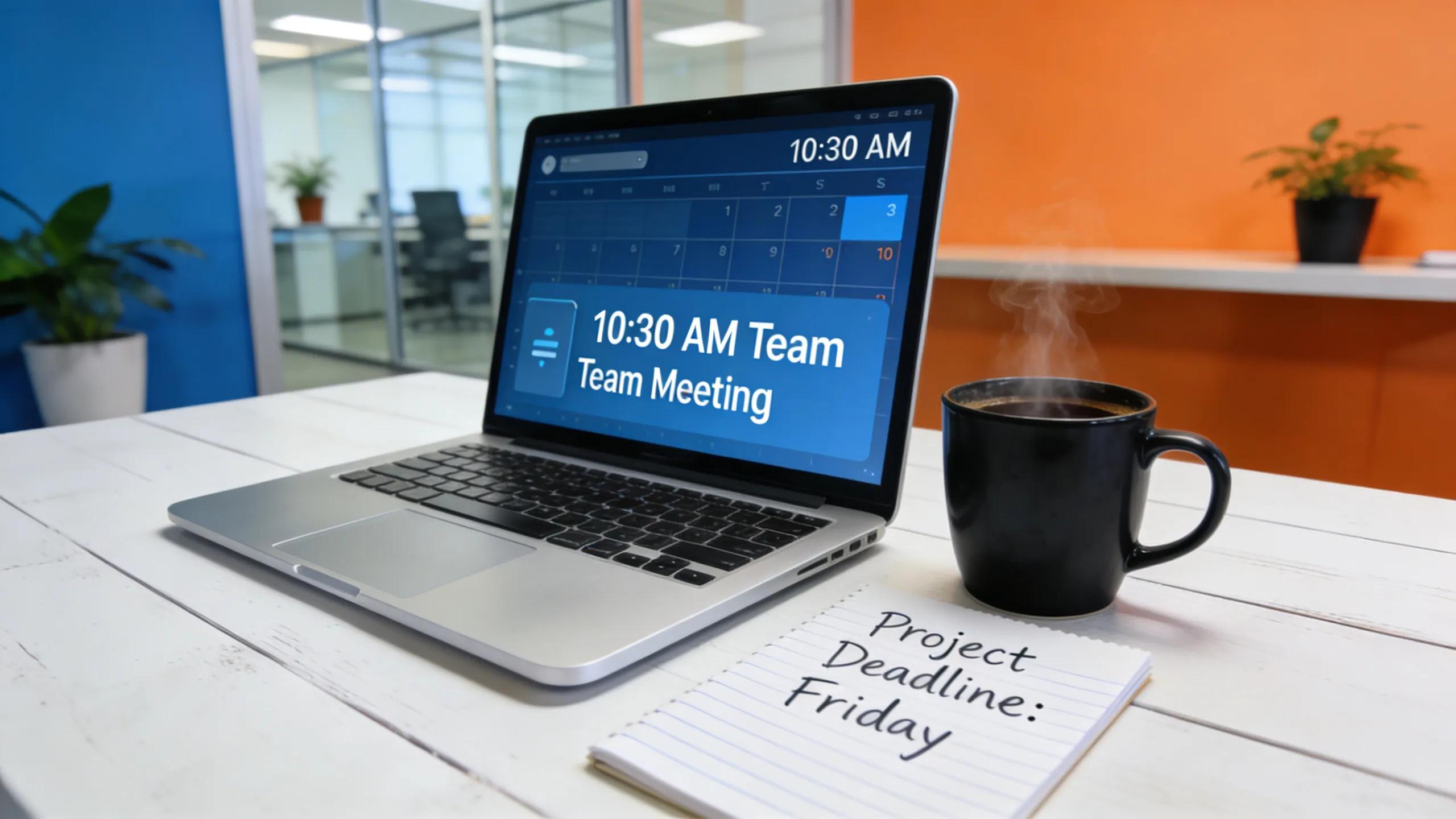
Zero-latency scheduling means that when a caller books a time, the appointment is placed directly on the real calendar during the same call, with no one having to enter the information later. This approach uses an AI receptionist service to ensure appointment data is accurate and instant.
What Is Zero-Latency Scheduling and Why Does It Matter for Businesses?
Zero-latency scheduling means real-time synchronization of appointments so calendars update without delay. That immediate visibility reduces double bookings and raises client satisfaction. Paired with an AI virtual receptionist, booking and modifications can be automated, supporting organizations that need systems which respond quickly to change.
How Does Zero-Latency Scheduling Improve Appointment Efficiency?
By delivering instant updates and confirmations, zero-latency scheduling shortens the booking cycle and cuts back-and-forth communication. Availability is verified in real time and confirmations are returned immediately, which improves operations, increases successful bookings and enhances satisfaction for clients and staff.
Which Industries Benefit Most from Instant Booking Platforms?
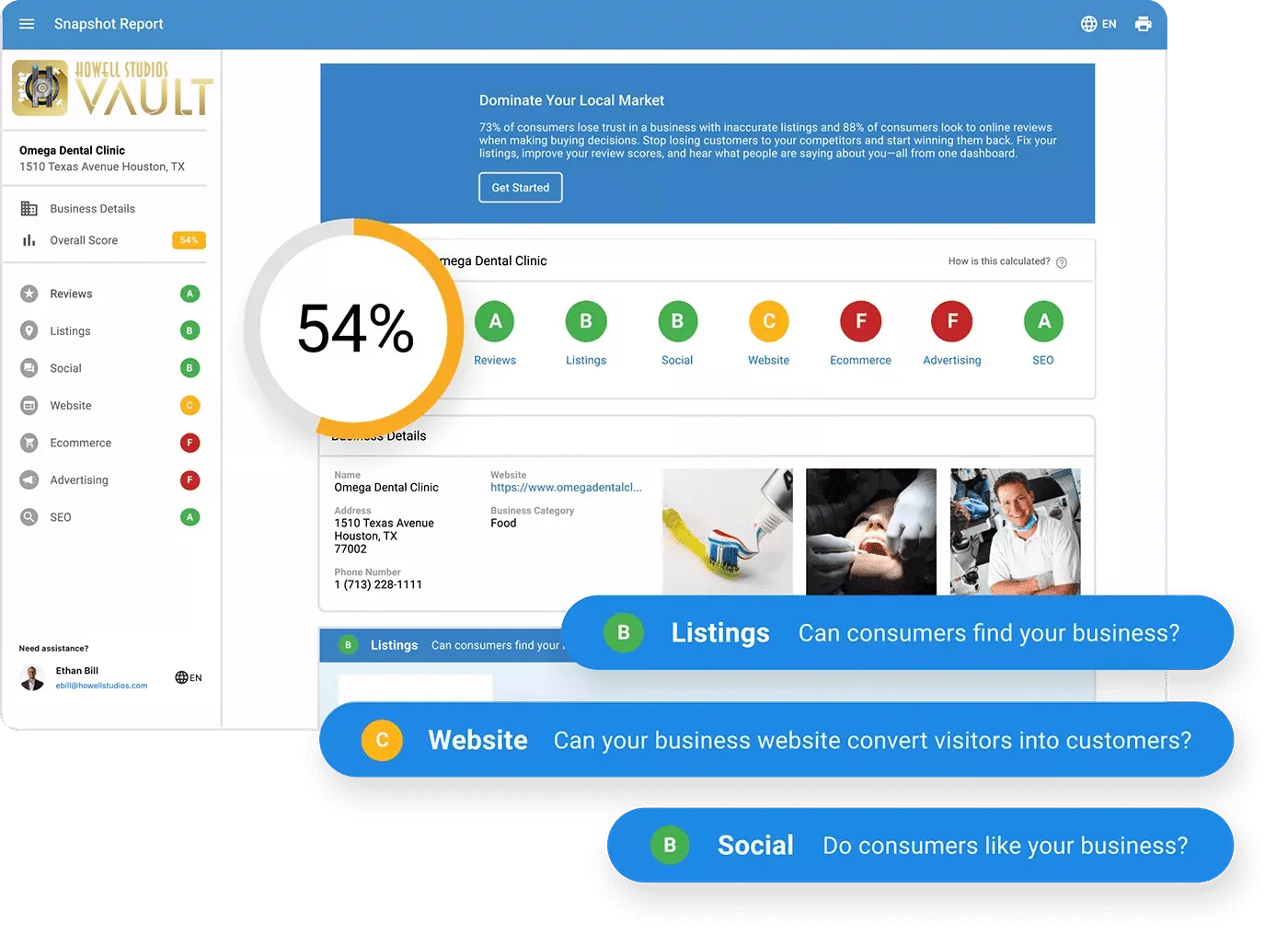
Time-sensitive sectors benefit most. Healthcare can reduce no-shows and better utilize clinician time. Hospitality gains from dynamic reservation management that reflects current availability. Service businesses such as salons and personal trainers offer clients immediate booking options, improving the customer experience.
How Does Native Calendar Integration Work With an AI Receptionist Service?
Native calendar integration ties scheduling systems to an AI receptionist, creating a single framework for appointments and ensuring events stay consistent across platforms. That synchronization helps organizations remain competitive. The same booking flow is what lets an AI receptionist handle after-hours overflow calls without leaving a voicemail queue for the morning. To evaluate how this would work with your calendar, talk with Howell Studios.
What Calendar Integration Tools Support Real Time Scheduling Software?
Established tools support native calendar integration for real-time scheduling. Google Calendar and Microsoft Outlook are common for cross-device syncing. Scheduling platforms like Calendly and Acuity Scheduling add workflow features that improve the booking experience and user engagement, making them practical choices for operational efficiency.
How Does AI Virtual Receptionist Synchronize Calendars to Eliminate Booking Delays?
An AI receptionist reads and writes to the same calendar your team uses, so an open slot it offers a caller is a slot that is actually open. It removes booking delays by updating slots immediately and notifying clients of changes so decisions use accurate data, reducing confusion and helping clients secure preferred times.
What Are the Key Benefits of Automated Appointment Systems for B2B Clients?
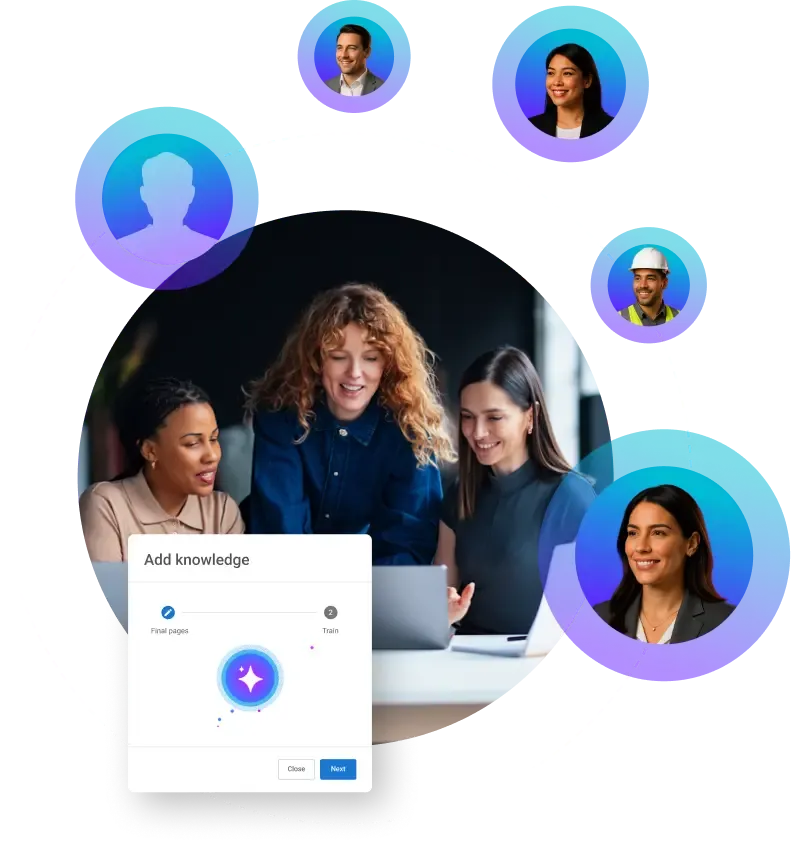
Automated appointment systems for B2B deliver measurable benefits: improved operations, better user experience and freed internal resources to focus on core services. Integrating scheduling technology yields time savings and operational efficiencies that improve service delivery and client outcomes.
- Efficiency Gains: Automated systems reduce time spent on scheduling by simplifying the booking process.
- Enhanced Client Interactions: Instant updates and confirmations improve communication and client relationships.
- Cost Savings: Fewer missed appointments and leaner booking processes reduce costs for businesses.
For organizations pursuing integration of these capabilities, Howell Studios specializes in AI-driven automation solutions, including zero-latency scheduling to connect calendars with receptionist services.
How Does AI Receptionist Software Reduce Wait Times and Improve User Experience?
AI receptionist software automates client interactions and returns immediate responses to booking requests, reducing wait times. Automated reminders and confirmations lower no-shows and keep clients engaged through the scheduling lifecycle, producing a more reliable experience.
What Business Metrics Improve with Zero-Latency Scheduling?
Zero-latency scheduling drives better metrics: higher appointment completion rates, lower manual scheduling costs, and improved customer satisfaction as bookings become faster and more accurate.
How Can Companies Implement Zero-Latency Scheduling with AI Receptionists Effectively?
Implementation requires a strategic plan that integrates automated appointment systems with existing infrastructure. A coordinated rollout helps system components work together to maximize efficiency and business impact.
What Are the Steps to Integrate Automated Appointment Systems into Existing Infrastructure?
Steps include assessing current scheduling methods, selecting calendar tools that fit business needs, and providing staff training to ensure adoption and a smooth transition.
What Best Practices Ensure Reliability and Security in AI-Powered Scheduling?
Ensure secure connections, regular software updates, and documented disaster recovery protocols. These practices protect data integrity and support consistent, trustworthy scheduling services.
By adopting zero-latency scheduling and AI receptionist services, organizations can make appointment management more efficient and client-focused. Howell Studios provides the expertise and tools to implement these solutions; to discuss how we can support your organization, please contact us.
Frequently Asked Questions
1. How quickly can a business implement zero-latency scheduling?
Timelines vary by organization and complexity; deployments typically take from a few days to several weeks. Factors include existing scheduling practices, available technology and team readiness. A clear rollout plan with training speeds adoption and reduces disruption.
2. Are there specific industries that struggle with traditional scheduling processes?
Yes. Healthcare, hospitality and personal services commonly face scheduling challenges because demand fluctuates and timely service is essential. Double bookings and missed appointments harm efficiency and satisfaction; zero-latency scheduling addresses these problems with real-time updates.
3. What role does client feedback play in enhancing scheduling systems?
Client feedback highlights scheduling pain points and preferences. Regularly collecting and analyzing feedback lets organizations prioritize improvements, align the system with client expectations and increase satisfaction and retention.
4. How can businesses ensure the privacy of client data with AI scheduling tools?
Choose AI scheduling tools that comply with regulations like GDPR or HIPAA, use encryption and strict access controls, and run audits. Clear data-usage and storage policies further build client trust.
5. Can zero-latency scheduling integrate with other business tools?
Yes. Zero-latency scheduling can connect to CRM systems, billing platforms and project management tools to enable a smooth information flow, improve efficiency and support coordinated follow-ups and marketing.
6. What are the challenges businesses might face when adopting AI virtual receptionist services?
Challenges include staff resistance to change, technical integration issues and initial investment. Addressing these with training and transparent communication about benefits helps secure stakeholder buy-in and a smoother transition.
7. How can businesses measure the success of their scheduling improvements?
Use KPIs such as appointment completion rates, reduced no-shows, client satisfaction scores and revenue impact. Regularly review these metrics to spot trends and areas for optimization, aligning improvements with business goals.
Conclusion
Adopting zero-latency scheduling with AI receptionist services improves appointment management and client satisfaction by removing booking delays and reducing no-shows. To see how an AI receptionist service would connect to your calendar, contact Howell Studios.