Understanding the Role of AI in Modern Website Development
Artificial Intelligence (AI) is revolutionizing website development by enabling personalized user experiences and automating complex tasks. Businesses can leverage AI to analyze user behavior, optimize content delivery, and enhance website functionality, making it easier to engage visitors and convert them into customers.
For instance, AI-driven tools can assess user interactions in real-time, allowing for dynamic content adjustments that cater to individual preferences. By integrating AI solutions like chatbots and recommendation systems, companies can improve customer service and retention, ultimately driving growth and increasing ROI.
Essential Features of an Effective CRM System
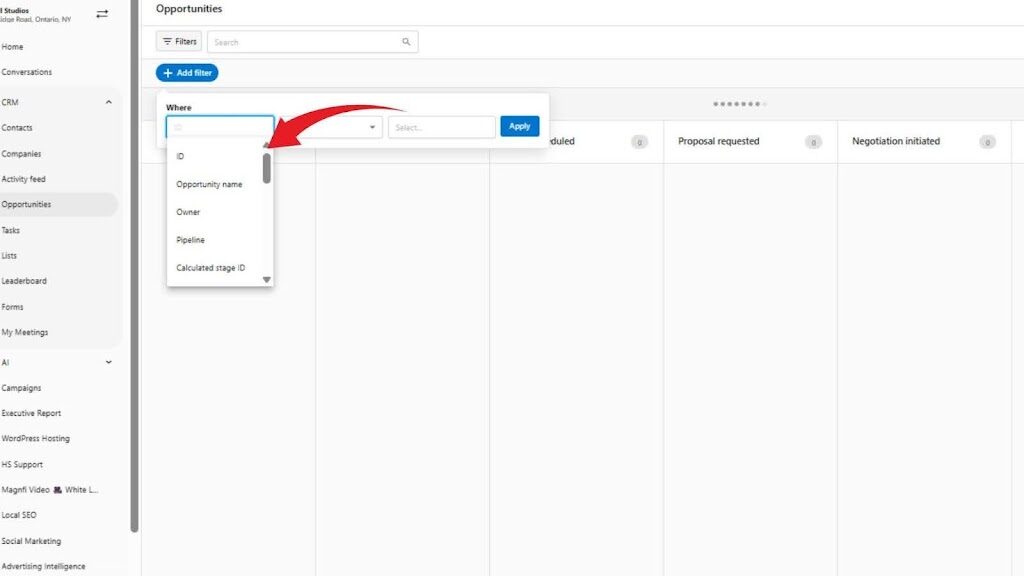
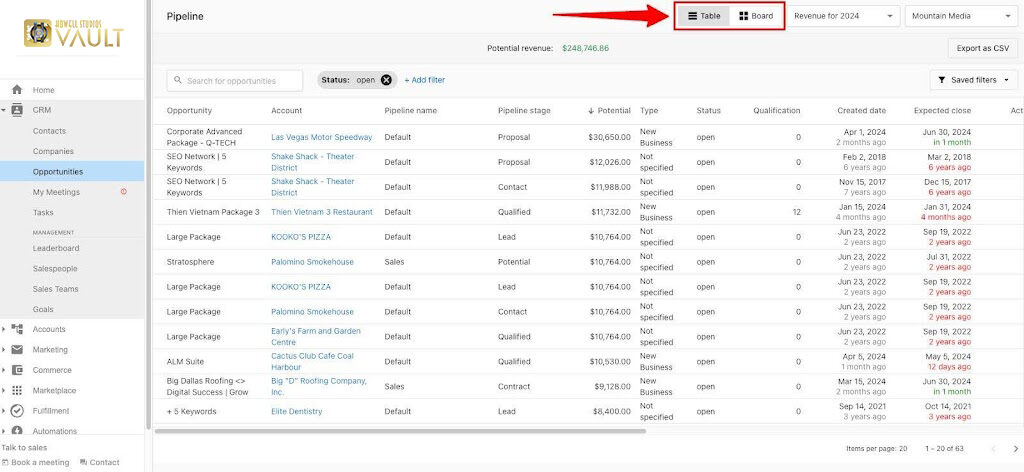
A robust Customer Relationship Management (CRM) system is crucial for managing customer interactions and streamlining processes. Key features include contact management, sales tracking, and data analytics, which help businesses maintain relationships and make informed decisions based on customer insights.
For example, an effective CRM system can automate follow-up tasks, ensure timely communication, and provide valuable data on sales trends. By utilizing these features, businesses can enhance their customer engagement strategies and optimize their sales pipelines for better performance.
Strategies for Effective Website Content Creation
Creating compelling website content is essential for attracting and retaining visitors. Effective strategies include understanding your target audience, utilizing SEO best practices, and crafting engaging narratives that resonate with users, driving them to take action.
Moreover, incorporating multimedia elements such as images, videos, and infographics can enhance user engagement and improve content shareability. By consistently delivering high-quality content, businesses can establish their authority in their niche and foster trust among potential customers.
The Importance of Website Analytics for Business Growth
Website analytics provide invaluable insights into user behavior, traffic sources, and content performance, allowing businesses to make data-driven decisions. By analyzing this data, companies can identify areas for improvement and optimize their online presence to better meet customer needs.
For instance, tools like Google Analytics can help track user interactions, revealing which pages are most effective at converting visitors. By leveraging these insights, businesses can refine their marketing strategies, enhance user experiences, and ultimately drive growth in a competitive digital landscape.